More Metering Pump Manufacturers
Metering pumps, also referred to as dispensing pumps, chemical dosing pumps, controlled-volume pumps, or proportioning pumps, are critical components in modern fluid management systems across a wide range of industries. Known for their precision metering capabilities and repeatable performance, these pumps are engineered to deliver exact amounts of liquid into fluid streams with remarkable accuracy and consistency. An ideal metering pump achieves delivery accuracy within 3% or better regardless of system discharge pressures. This high level of dosing control is essential for processes requiring strict quality, safety, and efficiency standards, such as water treatment, chemical injection, pharmaceuticals, and food and beverage production. The metering process itself is typically achieved using centrifugal pumps or positive displacement pumps, each selected based on specific use case requirements and fluid characteristics.
Although water dosing is a primary application, metering pumps are equally adept at handling a spectrum of fluids including corrosive chemicals, viscous solutions, acids, slurries, and even abrasive or hazardous liquids. The choice of pump—ranging from diaphragm metering pumps to plunger pumps and peristaltic pumps—depends on factors such as chemical compatibility, flow rate, discharge pressure, temperature, and environmental safety requirements. Industries utilizing metering pumps include:
- Commercial vending (beverage and coffee machines, syrup dispensing)
- Food and beverage processing (ingredient dosing, flavoring, sanitization)
- Healthcare and life sciences (dialysis, pharmaceutical manufacturing, laboratory analysis)
- Irrigation and agriculture (fertilizer and nutrient dosing, pesticide application)
- Laboratory research (fluid sampling, chromatography, reagent dosing)
- Chemical engineering (corrosive chemical transfer, pH adjustment, polymer dosing)
- Metalworking and milling (coolant and lubricant dispensing)
- Plastics fabrication (additive metering, resin injection molding)
- Petroleum, oil & gas (pipeline injection, corrosion inhibitors, demulsifier dosing)
- Water treatment (chlorination, dechlorination, flocculant dosing, fluoridation, anti-scalant application)

Metering Pumps – Primary Fluid Systems Inc.
History of Metering Pumps
The use of pumps dates back to ancient civilizations, where the Romans, Indians, Persians, and Egyptians utilized early pump designs in water wheels and irrigation systems. The Archimedes screw, attributed to the Greek inventor Archimedes, is perhaps the most famous early example, revolutionizing water transfer for agriculture and urban water supply. The ancient Assyrians likely used similar water screw pumps to irrigate the legendary Hanging Gardens of Babylon, a testament to the enduring legacy of pump technology.
During the Middle Ages, the demand for improved water management in mining led to the invention of the piston pump (or suction pump), which used atmospheric pressure for water removal. This technology advanced further, as documented in Georgius Agricola’s 1556 work “De Re Metallica,” which detailed mining and pump innovations of the era.
The Industrial Revolution ushered in a new era of pump development, driven by the need to control water for steam engines, canal locks, and urban infrastructure. In 1936, Robert Sheen and Milton Roy Sheen invented the first true metering pump, founding Milton Roy Pumps. Early metering pump designs struggled with leakage and dosing inaccuracies, but the introduction of diaphragm metering pumps and corrosion-resistant materials like PTFE quickly improved performance and reliability.
The 1970s brought further advances. Ohio-based Gorman-Rupp introduced the first bellows-type metering pump, and other manufacturers introduced diaphragm metering pumps equipped with solenoid valves, paving the way for electronic operation. With the advent of CNC dosing controls and digital automation, modern metering pumps now offer unprecedented precision, reliability, and remote programmability.
Metering Pump Design and Engineering
Contemporary metering pump manufacturers offer a vast array of pump designs to meet industry-specific demands. Key design criteria include:
- Fluid type and chemical compatibility: Ensuring materials of construction (stainless steel, PVDF, PTFE, Hastelloy, etc.) match the chemical properties of the fluid
- Maximum discharge pressure and flow rates: Selecting pumps capable of handling required pressures (from low-pressure dosing to high-pressure injection) and precise flow ranges (from milliliters per hour to thousands of liters per hour)
- Operating temperature range: Choosing pumps that withstand process or ambient temperatures
- Motor and drive type: Options include electric motors, pneumatic actuators, or solenoid drives for different control and automation requirements
- Control interfaces: Manual dials, touchpad controls, programmable logic controllers (PLCs), or IoT-enabled remote monitoring for integration with SCADA systems
- Variable vs. fixed displacement: Deciding between variable displacement at constant speed (for fine dosing control) or fixed displacement at variable speed (for simple flow adjustment)
The fundamental components of a metering pump typically include:
- A pump head with inlet and outlet ports
- A pumping mechanism (piston, diaphragm, or bellows)
- One-way check valves to ensure unidirectional flow
- An electric motor or actuator to drive the mechanism
- Control systems for setting or programming flow rates
- Tubing or hosing for fluid connection to reservoirs and process lines
Most modern metering pumps allow the user to set, monitor, or automate dosing parameters, supporting both batch and continuous process applications. Looking for tips on selecting the right pump? Ask: What features are essential for my industry’s fluid dosing needs?
Construction and Working Principles of Metering Pumps
Although the specific mechanisms may differ, most metering pumps operate according to the principles of positive displacement. Here’s how a typical piston or diaphragm metering pump works:
- Suction (Intake) Stroke: The piston or diaphragm retracts, creating a vacuum in the pump head, opening the inlet valve, and drawing fluid into the chamber.
- Discharge (Compression) Stroke: The piston or diaphragm advances, closing the inlet valve and opening the outlet valve, forcing the precise volume of fluid out to the process line.
The flow rate is often measured in gallons per hour (GPH) or liters per hour (LPH), with efficiency quantified in gallons per watt-hour. Depending on the control mechanism, metering pumps are classified as:
- Fixed displacement (variable speed): Flow rate is modulated by changing motor speed while displacement per cycle remains constant.
- Variable displacement (constant speed): Flow rate is altered by adjusting stroke length or displacement per cycle, ideal for applications needing ultra-precise dosing at a constant motor speed.
Curious about which pump mechanism best suits your process? Explore: What’s the difference between piston, diaphragm, and peristaltic metering pumps?
Types and Features of Metering Pumps
The broad family of metering pumps encompasses the following key types, each with unique advantages for specific applications:
- Variable displacement constant speed pumps: These regulate liquid volume by adjusting stroke length, maintaining consistent flow regardless of motor speed. Common in beverage dispensing and dialysis equipment.
- Fixed displacement variable speed pumps: Simpler design; flow is controlled by varying motor speed. Widely used in industrial fluid management where steady dosing is needed.
- Positive displacement pumps: Mechanically trap and transfer set fluid volumes. Their unvarying output makes them the preferred choice for high-accuracy chemical dosing, oil/gas additive injection, and laboratory reagent delivery.
- Piston pumps: Utilize reciprocating pistons in a chamber; ideal for high-pressure, low-volume dosing applications.
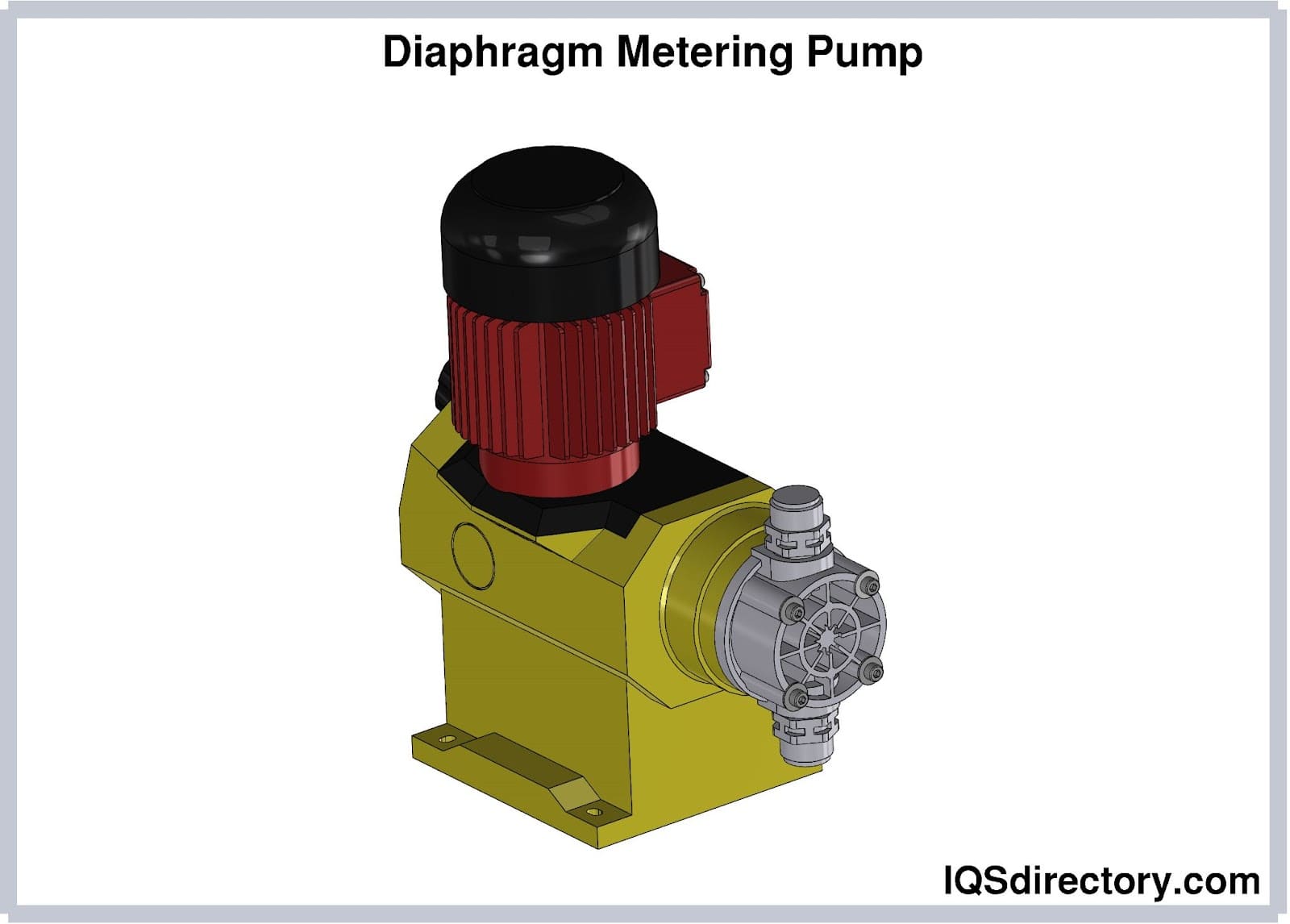
- Diaphragm metering pumps: Feature a flexible membrane (Teflon, rubber, thermoplastic) and are often hydraulically actuated. Their leak-proof design is favored for hazardous or corrosive chemical handling, pharmaceutical manufacturing, and critical water treatment processes.
- Bellows pumps: Use an accordion-style bellows for positive displacement; valued for clean, contamination-free dosing in sensitive environments.
- Peristaltic pumps: Employ motor-driven rollers to compress fluids through flexible tubing, excelling at gentle, shear-sensitive fluid transfer for biotechnology, medical, and laboratory applications. They are self-priming and suitable for viscous or abrasive fluids.
- Pneumatic metering pumps: Use air-driven actuators for dosing control; ideal for explosion-proof or hazardous environments where electric motors are unsuitable.
- Electronic metering pumps: Powered by electric actuators, these pumps offer integration with process automation and remote control via PLCs or SCADA systems—key in modern industrial automation and smart manufacturing.
- Micrometer adjustment screw pumps: Provide ultra-fine manual control of stroke and flow rate, used in laboratory dosing or calibration tasks.
- Chemical metering pumps: Purpose-built for accurate dosing of caustic, acidic, or viscous chemicals; essential in chemical processing, water treatment, and oil refinery applications.
- Fluid transfer pumps: Any metering pump designed for moving fluids reliably, including essential water pumps for domestic, commercial, and industrial use.
- Dispensing pumps: Precision-engineered to deliver pre-set volumes of gas or liquid, often used in laboratory, medical, or foodservice environments.
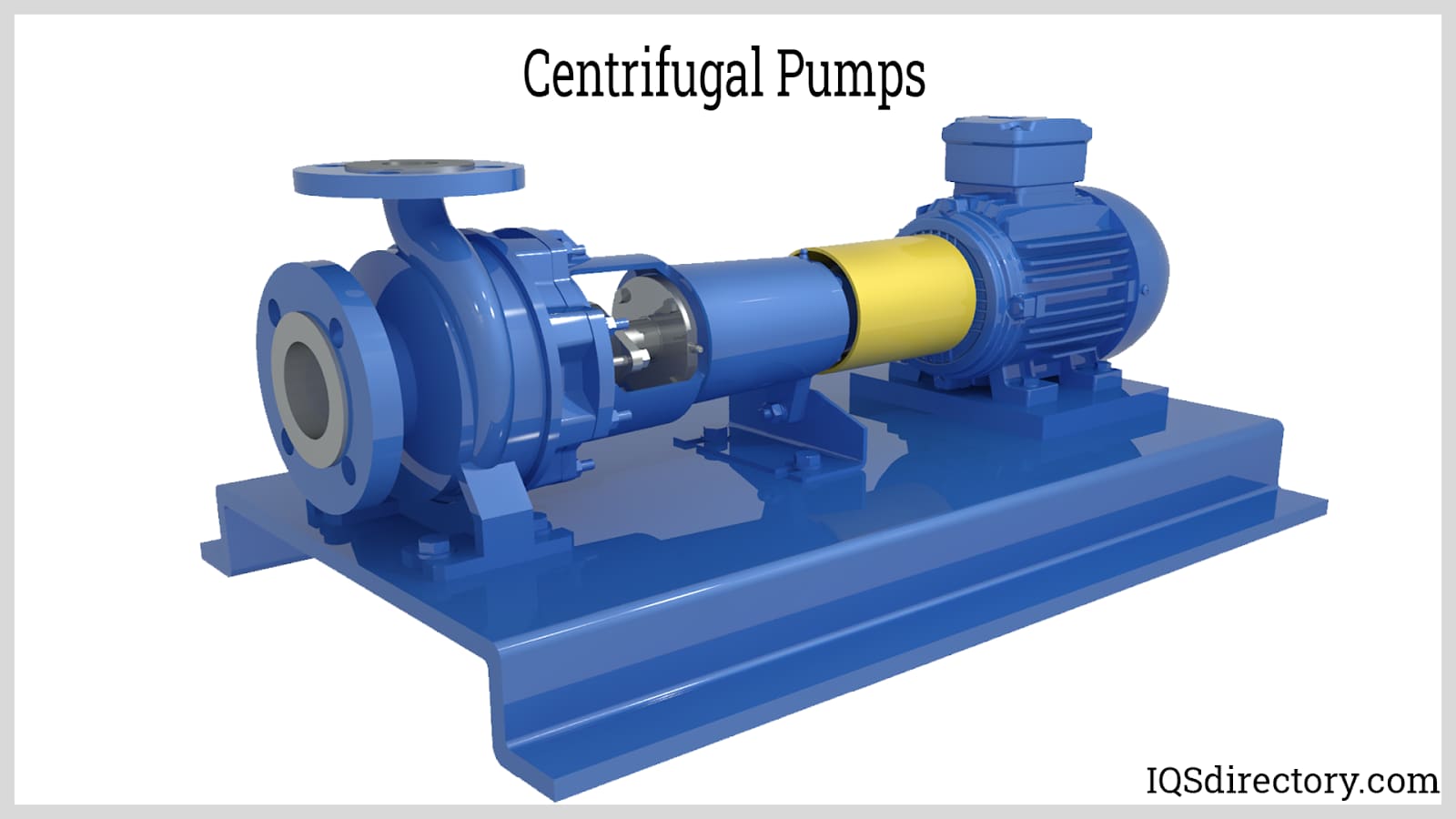
- Centrifugal pumps: Different from positive displacement models, these use a spinning impeller for smooth, pulseless fluid transfer—ideal for continuous-flow applications.
- Drum pumps: Specially designed to extract and transfer fluids from drums, tanks, or barrels, typically used in chemical handling and bulk fluid transfer.
- Gear pumps: Utilize intermeshing gears to trap and move fluid, excelling at high-pressure dosing of viscous liquids such as oils, resins, and polymers.
- Small metering pumps: Compact, lightweight, and engineered for microfluidic or laboratory applications requiring minuscule, high-precision dosing.
- Syringe metering pumps: Used in medical and laboratory settings for infusing or withdrawing precise liquid volumes; valued for accuracy in drug delivery and sample analysis.
- Plunger metering pumps: Designed for robust, high-pressure operations, ideal in oil & gas, industrial, and chemical dosing where durability and speed are critical.
- Solenoid metering pumps: Employ electromagnetic actuation for rapid, accurate dosing; often chosen for their simplicity, self-priming nature, and integration with electronic control systems.
Still debating which pump technology best fits your requirements? Compare: How do diaphragm, piston, and peristaltic metering pumps differ in chemical dosing applications?
Advantages and Benefits of Metering Pumps
Why invest in a metering pump? Discover the key advantages that drive industry adoption:
- Unmatched precision: High accuracy dosing reduces chemical waste, improves process yields, and ensures regulatory compliance.
- Versatility: Suitable for a broad range of fluids, including aggressive, caustic, or hazardous chemicals as well as clean water and food-grade ingredients.
- Safety and containment: Modern designs (like diaphragm pumps) prevent leaks, safeguarding operators and environments against exposure to dangerous substances.
- Automation and remote control: Seamless integration with process automation platforms enables real-time monitoring, remote adjustment, and predictive maintenance.
- Durability and low maintenance: Engineered with robust, corrosion-resistant materials for long service life even in harsh industrial environments.
- Energy efficiency: Optimized dosing reduces overuse of chemicals and energy consumption in fluid processing.
- Scalability: Available in models for laboratory, pilot plant, and full-scale industrial use.
Want to learn more about operational savings and maintenance? Ask: What are the total cost of ownership and lifecycle benefits of metering pumps?
Applications of Metering Pumps
Metering pumps are indispensable across diverse industries and applications, including:
- Commercial laundry and dishwashing: Detergent and sanitizer dosing pumps regulate precise chemical injection, preventing machine blockages and ensuring hygienic cleaning cycles.
- Industrial packaging and manufacturing: Automated metering of adhesives, resins, lubricants, and additives maintains product quality and production efficiency.
- Municipal and industrial water treatment: Accurate dosing of chlorine, anti-scalants, pH adjusters, and coagulants ensures safe, compliant water for public use.
- Oil and gas pipeline operations: Chemical injection pumps deliver corrosion inhibitors, demulsifiers, and biocides, safeguarding infrastructure and optimizing flow.
- Irrigation and agriculture: Fertilizer and nutrient dosing improves crop yields and resource efficiency by delivering precise quantities at the right time.
- Pharmaceutical and medical device manufacturing: Sterile, high-accuracy pumps dose APIs (active pharmaceutical ingredients), excipients, and solvents during production.
- Laboratory research and biotechnology: Ultra-precise microdosing for chromatography, cell culture, and sample preparation.
- Food and beverage production: Ingredient and flavor dosing, enzyme addition, and cleaning agent delivery for quality control and food safety.
- Metal finishing and surface treatment: Controlled reagent dosing in plating, etching, and anodizing processes.
Not sure how metering pumps can optimize your process? Explore: What are the top applications and industries using metering pumps for process improvement?
Decision Factors: Choosing the Right Metering Pump
Purchasing a metering pump requires careful evaluation of your process requirements and operating environment. Consider these decision factors:
- Fluid Properties: Is the fluid corrosive, abrasive, viscous, or temperature-sensitive? Select compatible materials and pump types accordingly.
- Required Flow Rate and Pressure: Calculate the minimum and maximum dosing ranges, as well as system backpressure.
- Accuracy and Repeatability: How critical is dosing precision for your process or regulatory compliance?
- Control and Integration: Do you need manual adjustment, automated remote control, or integration with existing PLC/SCADA systems?
- Maintenance and Serviceability: Consider ease of cleaning, part replacement, and overall maintenance requirements.
- Installation Environment: Indoor or outdoor use, explosion-proof or hygienic requirements, available power sources.
- Regulatory and Industry Standards: Does your application require pumps meeting FDA, NSF, ATEX, NEMA, or Mil-Spec certifications?
- Budget and Lifecycle Cost: Evaluate not only upfront costs but also energy efficiency, expected lifespan, and maintenance expenses.
Need help narrowing down your options? Try: How do I select the best metering pump for my chemical, water treatment, or industrial application?
Metering Pump Compliance and Industry Standards
To ensure safety, performance, and regulatory compliance, metering pumps must meet the relevant standards for your industry and location:
- Mil-Spec: For military and defense applications requiring rigorous durability and reliability
- FDA and NSF: For food, beverage, and healthcare sectors ensuring hygienic, contaminant-free operation
- ATEX: For explosion-proof equipment used in hazardous environments (e.g., chemical plants, oil refineries)
- NEMA, ANSI, EU Machinery Directive: For electrical safety, enclosure protection, and global equipment conformity
Looking for guidance on compliance? Ask: What regulations and certifications should my metering pump meet for my industry?
Purchasing Metering Pumps: How to Choose a Manufacturer
Investing in a metering pump is a crucial decision for your operation’s efficiency and safety. To achieve optimal performance, work with a reputable metering pump manufacturer or authorized distributor with a track record in your industry. Here’s how to streamline your selection process:
- Identify specialized manufacturers: Seek out companies with expertise in your sector (e.g., chemical, food & beverage, pharmaceutical, municipal water treatment).
- Assess product range: Ensure the manufacturer offers the pump types, flow rates, and material options that align with your unique needs.
- Evaluate technical support: Choose vendors who provide application engineering, start-up assistance, and after-sales service.
- Review certifications: Confirm the manufacturer’s products meet all necessary industry standards and regulations.
- Consider cost and delivery: Balance initial cost with lead times, availability of spare parts, and total lifecycle value.
- Customer reviews and reputation: Research client testimonials and ask for case studies relevant to your application.
Ready to compare your options? Search: Who are the top-rated metering pump manufacturers and suppliers for my industry?
To help you make an informed choice, we have curated a comprehensive list of trusted metering pump manufacturers. Scroll down to review company profiles, product offerings, and customer service ratings—so you can confidently select a partner committed to quality, reliability, and technical support.
Frequently Asked Questions About Metering Pumps
- What is the difference between a metering pump and a dosing pump? – While often used interchangeably, “metering pump” typically refers to pumps capable of precise, adjustable flow control, while “dosing pump” may refer to any pump delivering a controlled amount of fluid, especially in water treatment or chemical dosing applications.
- How do I size a metering pump for my system? – Calculate the required flow rate and pressure, consider system backpressure, and select a pump with a capacity range that includes your target dosing rates. Oversizing can reduce accuracy, while undersizing can cause operational issues.
- Can metering pumps handle abrasive or viscous fluids? – Yes, but material selection (e.g., PTFE, Hastelloy, ceramics) and appropriate pump type (gear, peristaltic, or diaphragm) are crucial for long-term reliability.
- How often should metering pumps be serviced? – Service intervals depend on usage, fluid type, and manufacturer recommendations. Regular inspection of seals, diaphragms, and valves is essential for preventing leaks and maintaining accuracy.
- Can metering pumps be integrated with process automation? – Most modern models offer analog/digital inputs, PLC communication, or IoT connectivity for seamless automation and remote monitoring.
- What are the most common failure modes? – Diaphragm rupture, valve clogging, chemical attack on wetted parts, or drive motor failure. Preventive maintenance and proper material selection minimize downtime.
Summary: Why Metering Pumps Matter
Metering pumps are the backbone of precision fluid management, enabling industries to optimize chemical dosing, reduce waste, meet regulatory standards, and protect both equipment and the environment. With a diverse range of types, materials, and control options, there’s a metering pump solution for every process—from microfluidic laboratory experiments to large-scale water treatment and industrial manufacturing.
Ready to take the next step? Contact leading metering pump manufacturers today or explore our listings for detailed product specifications, application guides, and expert support. Find the right metering pump for your needs and transform your fluid management process with accuracy, reliability, and efficiency.
What is a metering pump and how does it work?
A metering pump is a precision device engineered to deliver exact amounts of liquid into a fluid stream with high accuracy and repeatability. It typically uses positive displacement mechanisms such as piston or diaphragm movement. During operation, the pump alternates between suction (drawing fluid in) and discharge (pushing fluid out) strokes to ensure consistent, precise dosing regardless of system pressure.
What are the main types of metering pumps?
The key types of metering pumps include piston pumps, diaphragm metering pumps, plunger pumps, peristaltic pumps, bellows pumps, gear pumps, solenoid metering pumps, and electronic metering pumps. Each type is suited for specific applications depending on fluid properties, pressure requirements, and control needs.
Which industries commonly use metering pumps?
Metering pumps are used in water treatment, chemical injection, pharmaceuticals, food and beverage processing, agriculture, oil & gas, laboratory research, metalworking, plastics fabrication, and commercial vending. Their precision makes them critical in any process requiring strict control of fluid dosing or chemical delivery.
How do I choose the right metering pump for my application?
Consider the chemical compatibility of pump materials, required flow rate and pressure, dosing accuracy needs, automation and integration capabilities, maintenance requirements, installation environment, and relevant industry standards. Matching the pump type and features to your specific process and fluid characteristics is crucial for long-term reliability and efficiency.
What are the advantages of using metering pumps?
Metering pumps provide unmatched precision for chemical dosing, reduced waste, improved process yields, operator safety, leak prevention, flexible automation, durability, energy efficiency, low maintenance, and scalability from laboratory to industrial applications.
Can metering pumps handle abrasive, corrosive, or viscous fluids?
Yes, metering pumps can handle aggressive fluids such as acids, slurries, viscous solutions, or abrasive chemicals by selecting appropriate materials (e.g., PTFE, Hastelloy, ceramics) and the right pump type (diaphragm, peristaltic, or gear pumps) designed for the fluid’s properties.
Are metering pumps compatible with automation and remote monitoring systems?
Most modern metering pumps can integrate with automation platforms using analog/digital controls, PLCs, IoT, or SCADA systems. This allows for real-time monitoring, remote adjustment, and predictive maintenance in industrial and municipal fluid processes.

 Flow Gauges
 Flow Indicators
 Flow Meters
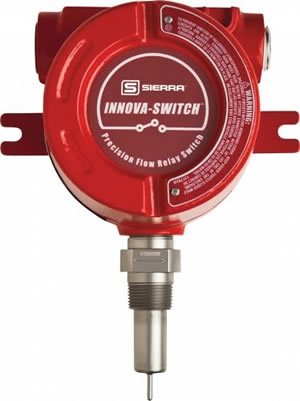 Flow Switches
 Castings & Forgings
 Bulk Material Handling
 Electrical & Electronic Components
 Flow Instrumentation
 Hardware
 Material Handling Equipment
 Metal Cutting Services
 Metal Forming Services
 Metal Suppliers
 Motion Control Products
 Plant & Facility Equipment
 Plant & Facility Supplies
 Plastic Molding Processes
 Pumps & Valves
 Recycling Equipment
 Rubber Products & Services